Understand the Concern
Begining with what you've observed, relevant building history, and any other available information.

Mold Investigations
Visible growth, staining, unusual odors, water intrusion, or persistent moisture can all raise questions about conditions inside a building.
A mold investigation looks beyond the visible growth to understand the conditions surrounding it and help establish what's happening, what may be contributing to it, and what should happen next.
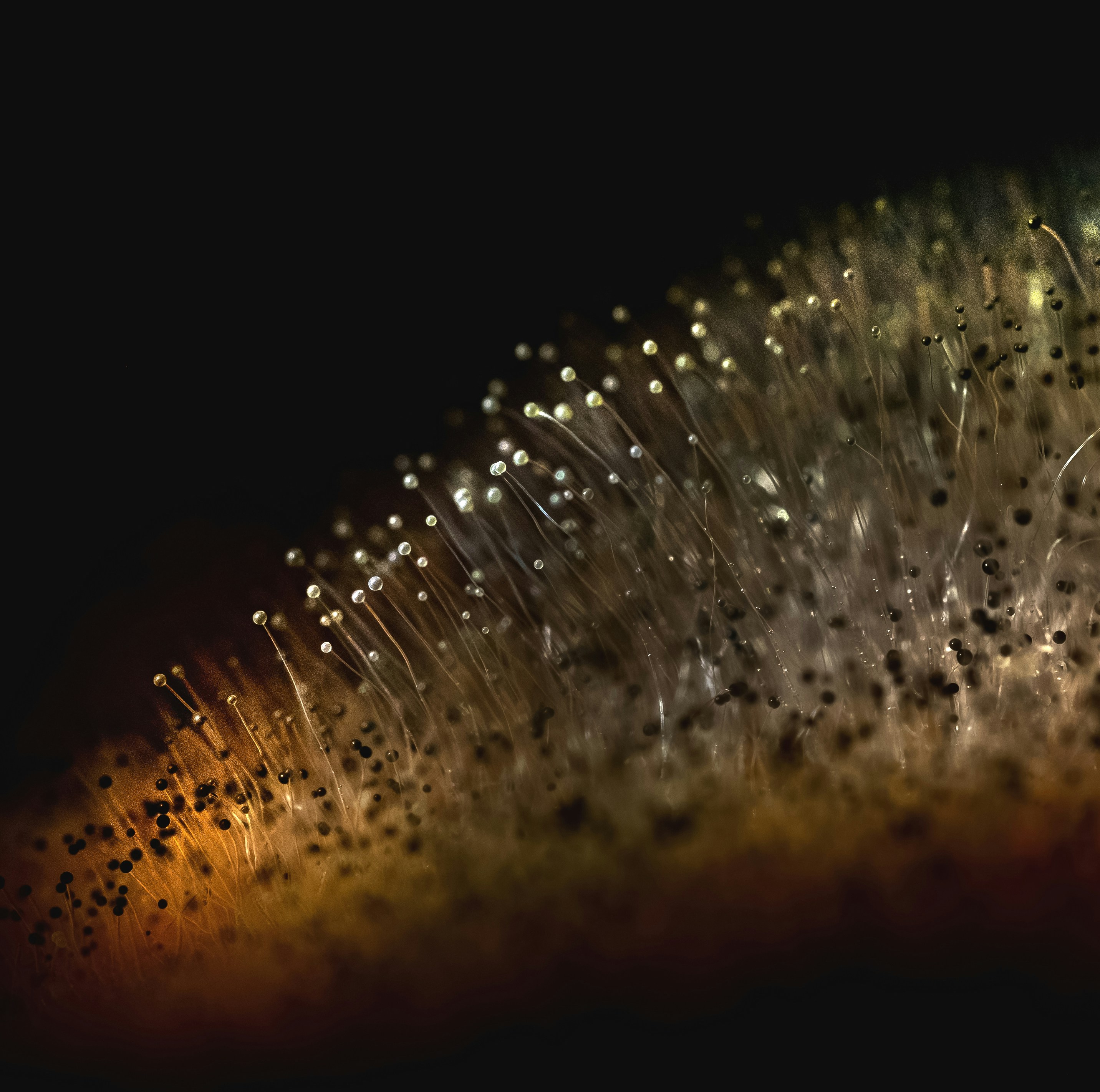
Start With the Condition
Finding mold is something important.
But it doesn't necessarily say why it's there.
Water intrusion, elevated humidity, condensation, plumbing failures, building-envelope conditions, and previous water intrusions can all contribute to environments where mold can grow.
Finding mold isn't the end of the investigation. Understanding why it's there is what makes the findings useful.
Not sure what you're looking at?
Describe what you've observed, where you're seeing it, and anything you know about the building or its recent history.
The IES Approach
An effective investigation begins with the concern and not a predeveloped testing plan. The questions surrounding the condition help focus the investigation on what matters.
Begining with what you've observed, relevant building history, and any other available information.
Affected areas are evaluated for visible conditions, moisture indicators, and any other relevant observations.
Environmental measurements and representative samples may be collected when they can help answer a specific question.
Observations, measurements, building conditions, and laboratory results are all considered together to help explain what's happening.
What to Look At
Depending on the concern, an investigation may consider:
Discoloration, suspected microbial growth, staining, damaged materials, and other observable conditions.
Material moisture, signs of water intrusion, plumbing related conditions, and evidence of current or previous intrusions.
Environmental conditions that may contribute to condensation or microbial growth.
Air movement and the duct work, mechanical systems, and building characteristics relevant to the issue.
Previous leaks, flooding, repairs, renovations, recurring conditions, and other information that may help.
Every investigation is different. The appropriate observations, measurements, and sampling strategy depend on the building and the question to answer.
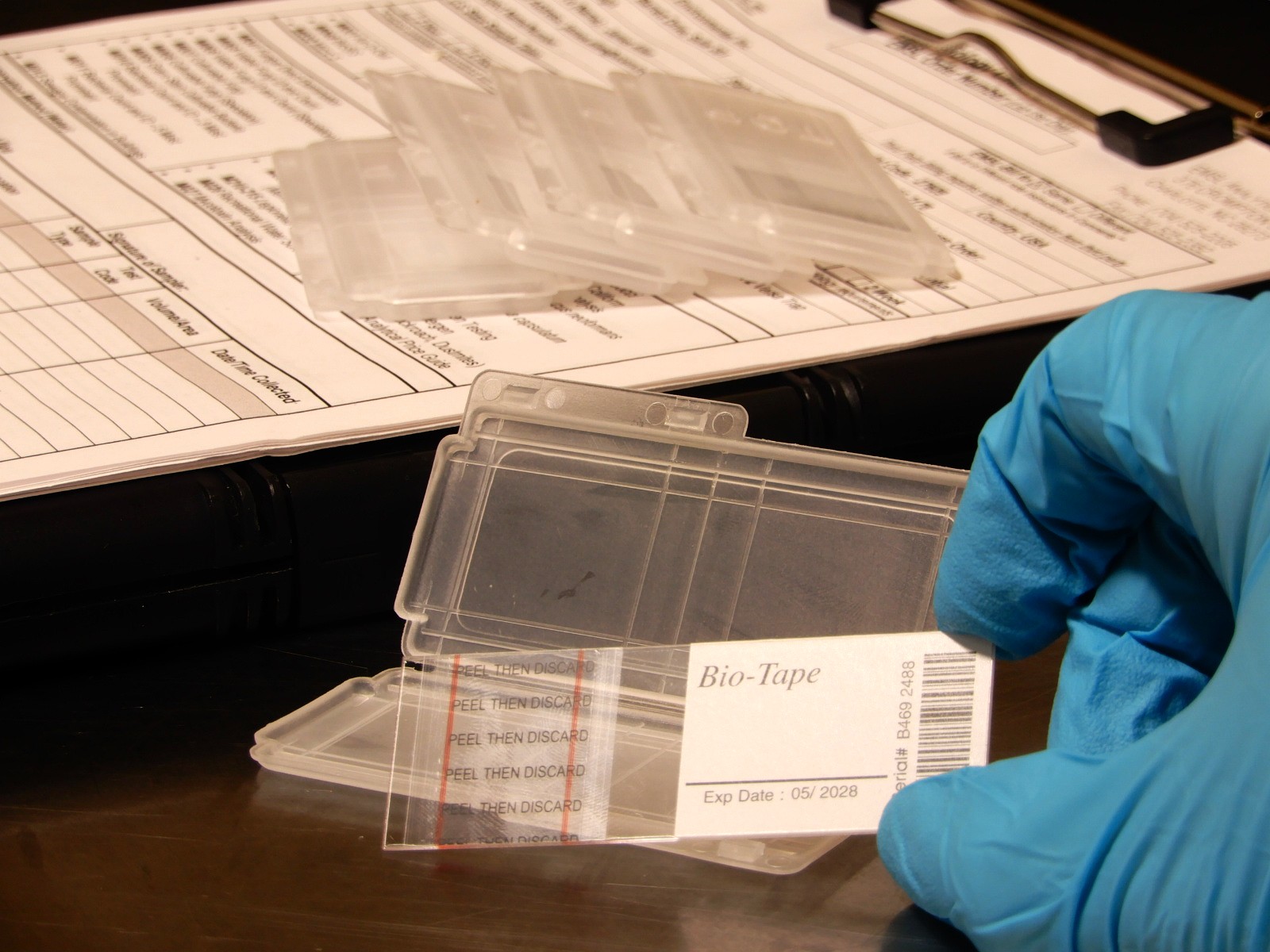
Sampling With a Purpose
Mold investigations are sometimes reduced to collecting a sample and waiting for a laboratory report.
Depending on the investigation, lift samples and air samples can be collected to characterize the type of mold. The field observations and moisture findings may also help provide more details.
From Symptom to Source
If mold growth is present, addressing the visible material without understanding the moisture condition can leave the underlying problem unresolved.
Where?
When?
What?
How Far?
What Next?
The goal isn't simply to document what's growing but to understand the conditions that allowed it to grow in the first place.
What You Receive
An IES mold investigation is designed to bring the available information together into a clear explanation of the conditions evaluated and what was found.
The concern evaluated and areas included in the investigation.
Relevant visible conditions, building characteristics, and environmental observations.
Measurements collected to help characterize conditions within the building.
Images providing useful context for observed conditions and areas of concern.
Analytical results when sampling is appropriate to the investigation.
A clear explanation of the findings and practical information for determining appropriate next steps.
When an Investigation May Be Useful
Discoloration or material conditions raise questions about possible microbial growth.
An odor persists even when an obvious source isn't visible.
A roof, plumbing, exterior, or other water event has affected building materials.
Condensation, elevated humidity, or damp materials continue to appear.
Additional information is needed to understand conditions following corrective work.
Something about an area warrants further investigation even though the source isn't immediately apparent.
After the Investigation
Sometimes an investigation identifies a moisture related condition.
Sometimes the evidence points toward a broader building issue.
And sometimes observations or laboratory results help rule out one suspected explanation and direct attention somewhere else.
Whatever the outcome, the purpose is to bring the available evidence together into a clear understanding of the condition.
The goal is not to find a predetermined answer.
The goal is to follow the evidence where it leads.
You don't need to diagnose the building before contacting. Describe what you've noticed, where it's happening, and anything you know about the property's history.
Request a ConsultationNorth Carolina and Beyond
Continue Learning
Why visible mold is often only one part of understanding a moisture-related building condition.